Source washed toy story plush lamp for gifts, decor, and parties
Compare 30 options for washed toy story plush lamp featuring battery power, LED lighting, and cartoon modeling. Buyers can review specifications like size, material, and certifications to find suitable manufacturers for wholesale orders.
Key considerations
Products List


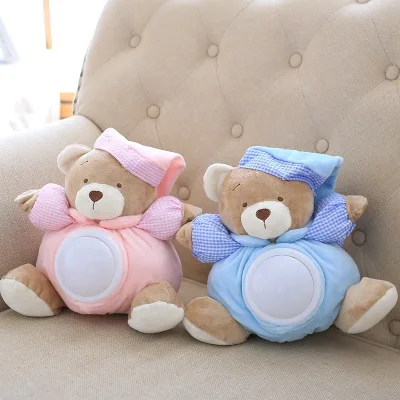

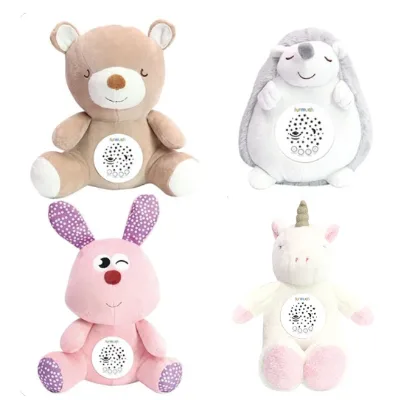

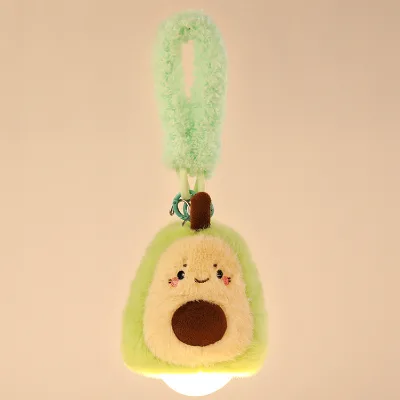


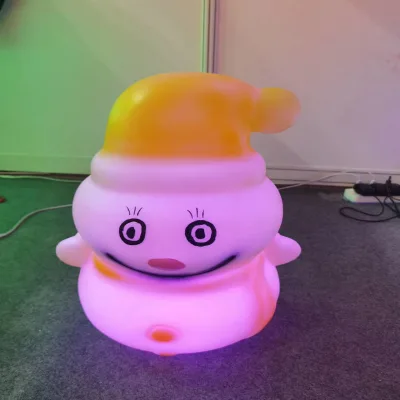


Comprehensive Sourcing Guide
Sourcing Strategy for Washed Toy Story Plush Lamps
The global market for children's lighting and plush toys has seen a surge in demand for hybrid products that combine soft tactile experiences with functional illumination. When sourcing a "washed toy story plush lamp," buyers are navigating a niche intersection of textile manufacturing, electrical safety, and character licensing. The term "washed" in this context often refers to a specific finishing process for the plush material to achieve a soft, vintage, or distressed aesthetic, while "toy story" implies a thematic connection to animated narratives or specific character designs. This guide provides a disciplined approach to evaluating suppliers, verifying compliance, and managing procurement risks for these specific items, relying strictly on observed market data and established industry standards.
Technical Specifications and Product Attributes
Understanding the physical and functional specifications of the product is the first step in any B2B sourcing process. Based on current market observations, plush lamps in this category typically feature a "Short" or "Short Plush Toys" pile length, which contributes to a dense, durable texture suitable for handling by children. The material composition is predominantly Plush, often filled with Cotton or PP Cotton to ensure the item retains its shape while remaining soft to the touch.
The "washed" finish is a critical aesthetic differentiator. While specific washing protocols vary by manufacturer, the product attributes indicate that these items often undergo a hand-wash process to maintain their integrity, suggesting that the dye and fabric bonding are sensitive to aggressive mechanical agitation. The technical construction can be either Machine Made or Hand-Made, a distinction that significantly impacts the unit cost and the perceived value of the item. Hand-made variants often command a premium due to the labor intensity required for precise stitching and assembly, whereas machine-made versions offer higher consistency and scalability.
In terms of illumination, these products frequently utilize Battery power, specifically Alkaline Batteries, to ensure portability and eliminate the need for permanent wiring. The lighting function is often integrated with additional features such as talking capabilities or specific LED lighting styles. The modeling source for these designs is predominantly derived from Cartoon Characters or Animals, with specific styles ranging from Sitting Animals to Standing Plants. The standard sizing for these units typically falls within the 25cm to 33cm range, making them suitable for bedside tables or play areas without occupying excessive space.
Compliance and Certification Verification
Safety compliance is non-negotiable when sourcing products intended for children, particularly those involving electrical components. The market data indicates a robust set of certifications that reputable suppliers should possess. Buyers must verify that the product holds certifications such as CE, EN71 (specifically parts 1, 2, and 3), ASTM, REACH, and RoHS. These standards address mechanical safety, flammability, chemical restrictions, and electrical safety respectively.
The EN71 standard is particularly critical for toys in the European market, covering physical and mechanical properties, flammability, and chemical migration. Similarly, ASTM standards are essential for the North American market, ensuring the product meets rigorous safety requirements for children's items. The presence of REACH and RoHS certifications confirms that the materials used, including the plush fabric, filling, and electronic components, are free from hazardous substances like lead, phthalates, and other restricted chemicals.
Buyers should not assume that all listed products automatically satisfy every certification claim. Instead, the procurement strategy must involve requesting valid test reports from the supplier for each specific batch. The "washed" process itself may introduce chemical residues if not properly managed, making the verification of chemical safety standards even more vital. Additionally, the product origin is frequently listed as China, which requires extra diligence in verifying that the local manufacturing facilities adhere to international safety protocols rather than just local standards.
Cost Drivers and Pricing Dynamics
The pricing structure for washed toy story plush lamps is influenced by a complex interplay of factors, including material quality, labor intensity, and compliance costs. The observed price range in the market spans from $0.10 to $2,000, a vast disparity that reflects the difference between basic mass-produced items and high-end, custom-designed luxury goods. The lower end of the spectrum typically corresponds to machine-made items with standard cotton filling and basic LED functions, while the higher end involves hand-made craftsmanship, complex electronic integration, and premium character licensing.
Minimum Order Quantity (MOQ) is another significant cost driver. Market data shows an MOQ range from 1 to 3,000 pieces, with common thresholds observed at 1,000 and 2,000 pieces. Suppliers with higher MOQ requirements often offer lower per-unit costs due to economies of scale, but this increases the initial capital outlay for the buyer. Conversely, suppliers accepting lower MOQs may charge a premium per unit to cover setup costs and smaller production runs.
Sample time is another variable affecting the total cost of ownership. A standard sample time of 7 days is observed in the market, but this can vary based on the complexity of the customization. If a buyer requires specific customizations, such as unique color variations or bespoke character designs, the sample time and associated costs will increase. Shipping methods, including Sea, Train, and Air, also impact the final landed cost, with Air freight offering speed at a premium and Sea freight providing cost efficiency for large volumes.
Typical Applications and Target Demographics
The application of washed toy story plush lamps extends beyond simple illumination; they serve as functional decor and interactive play items. The primary target demographic is children, with age ranges specified as 0+ and 3-8 years. This broad range indicates that the products are designed to be safe for infants while remaining engaging for older toddlers and young children. The "Gift" function is a key attribute, suggesting these items are frequently purchased for birthdays, holidays, or special occasions.
The thematic elements, such as "Cartoon Characters" and "Animals," make these lamps ideal for themed nurseries, playrooms, and bedrooms. The "Sitting Animal" and "Standing Plant" styles offer versatility in interior design, allowing buyers to select products that match specific room aesthetics. The inclusion of features like "Light, Talking" transforms the lamp into an interactive companion, providing entertainment and comfort for children.
For B2B buyers, the applications also include retail gift shops, toy stores, and online marketplaces specializing in children's products. The "Unisex" gender attribute ensures a broad market appeal, reducing the risk of unsold inventory due to gender-specific preferences. The "Colorful" and "Blue" color options provide variety, allowing retailers to stock a range of products to cater to different customer tastes.
Supplier Evaluation and Selection Criteria
Selecting the right supplier is critical for ensuring product quality and supply chain reliability. Buyers should evaluate suppliers based on their technical capabilities, certification status, and production capacity. The distinction between "Machine Made" and "Hand-Made" production methods should be clearly understood, as it affects the consistency and defect rate of the final product. Suppliers offering hand-made options may have higher quality control standards but lower production speeds.
Verification of certifications is a primary evaluation metric. Buyers must request up-to-date test reports for CE, EN71, ASTM, REACH, and RoHS. It is essential to confirm that these certifications are valid for the specific product model and not just generic company certifications. The product origin, typically China, requires a thorough audit of the manufacturing facility to ensure compliance with labor and safety standards.
Lead times and sample processes are also key indicators of supplier reliability. A standard sample time of 7 days suggests a responsive production line, but buyers should confirm if this timeline includes shipping time. The ability to handle customizations, such as specific packaging or branding, is another important factor. Suppliers that offer flexible packaging options, such as 1PC/OPP or 1 PC/Polybag, demonstrate adaptability to different client needs.
Quality Control and Inspection Protocols
Implementing a robust quality control (QC) protocol is essential to mitigate risks associated with mass production. Given the electrical nature of the product, electrical safety testing must be a priority. This includes verifying the integrity of the battery compartment, the stability of the LED components, and the absence of overheating during operation. The filling material, whether Cotton or PP Cotton, should be inspected for uniformity and the absence of foreign objects.
The "washed" finish requires specific attention to ensure the fabric retains its texture and color after washing. Buyers should request wash test results to confirm that the product meets the specified hand-wash instructions without fading or shrinking. The stitching quality, particularly in hand-made items, should be checked for loose threads or weak points that could compromise the structural integrity of the toy.
Packaging inspection is also crucial, as the product is often shipped in 1PC/OPP or 1 PC/Polybag packaging. The packaging must be durable enough to protect the item during transit and clearly display the necessary safety warnings and age recommendations. For products with a standard size of 25cm or 27cm, the packaging dimensions should be optimized to minimize shipping costs while ensuring adequate protection.
Long-Term Procurement Considerations
Sourcing washed toy story plush lamps is not just a one-time transaction but a long-term partnership that requires strategic planning. Buyers should consider the scalability of the supplier's production capabilities to meet future demand spikes. The ability to maintain consistent quality over multiple production runs is vital for brand reputation.
Inventory management is another critical aspect. With MOQs ranging from 1,000 to 2,000 pieces, buyers must balance stock levels with sales velocity to avoid overstocking or stockouts. The lead time for production and shipping should be factored into the inventory planning process to ensure timely availability.
Finally, buyers should stay informed about evolving regulations and market trends. The children's product market is subject to frequent changes in safety standards and consumer preferences. Maintaining open communication with suppliers and staying updated on certification requirements will help buyers navigate these changes effectively. By focusing on technical specifications, compliance, and supplier reliability, buyers can build a resilient supply chain for washed toy story plush lamps that meets the highest standards of quality and safety.
FAQs
What certifications are required for washed toy story plush lamps?
Reputable products typically hold CE, EN71, ASTM, REACH, and RoHS certifications. Buyers must verify valid test reports for each specific batch to ensure compliance with mechanical safety, flammability, and chemical restrictions before procurement.
How long is the sample time for custom plush lamp orders?
The standard sample time is 7 days for most manufacturers. This timeline may extend if the buyer requires specific customizations like unique colors or bespoke character designs beyond the standard catalog options.
Which washing instructions apply to washed toy story plush lamps?
These items generally require hand washing to maintain their integrity and finish. Aggressive mechanical agitation should be avoided to prevent fading or shrinking of the plush fabric and to preserve the bonding of the dye.
What is the typical MOQ for sourcing these plush lamps?
Common minimum order quantities are 1000 or 2000 pieces depending on the supplier. Lower MOQs may be available but often come with a higher per-unit cost to cover setup expenses for smaller production runs.
Can these lamps be customized for specific animal styles?
Customization is available for styles such as sitting animals or standing plants. Buyers can request specific modeling sources like cartoon characters or animals, though this may impact the sample time and unit pricing.
What power source do these interactive plush lamps use?
Most models operate on battery power, specifically using alkaline batteries. This design ensures portability and eliminates the need for permanent wiring, making them suitable for bedside tables or play areas.